

Mastering Forex Trading: Strategies, Tips, and Insights
Forex trading, or foreign exchange trading, has become one of the most popular ways to invest and speculate in financial markets. With the growing accessibility of trading platforms and the advancement of technology, retail trading has skyrocketed, attracting millions of traders worldwide. If you are new to forex trading or looking to refine your strategies, forex trading acev.io offers valuable resources and tools to help you on your journey.
Understanding Forex Trading
Forex trading involves buying one currency while selling another, which means you are speculating on the price movement between two currencies known as a currency pair. The forex market operates 24 hours a day, five days a week, making it the most liquid and dynamic financial market globally. The primary participants include banks, financial institutions, corporations, and individual retail traders.
Currency Pairs
Currency pairs are classified into three main categories:
- Major Pairs: These pairs involve the most traded currencies, including EUR/USD, USD/JPY, and GBP/USD.
- Minor Pairs: These do not have the US dollar as one of the currencies, like EUR/GBP and AUD/NZD.
- Exotic Pairs: These involve one major currency paired with a currency from an emerging or smaller economy, such as USD/TRY (Turkish Lira) or USD/ZAR (South African Rand).
Strategies for Successful Forex Trading
Trading in the forex market can be highly rewarding, but it also carries significant risks. Here are some popular strategies that can help increase your chances of success:
1. Technical Analysis
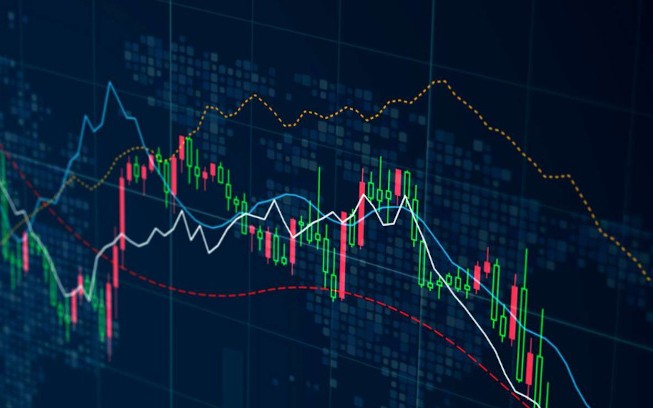
Technical analysis involves studying price charts and using various indicators to forecast future price movements. Traders use tools like moving averages, Fibonacci retracement levels, and oscillators to identify patterns and potential entry and exit points.
2. Fundamental Analysis
This method involves analyzing economic indicators, geopolitical events, and central bank policies to predict currency movements. Key indicators include interest rates, inflation rates, and employment data. Understanding how these factors affect supply and demand for currencies is crucial in making informed trading decisions.
3. Day Trading
Day traders open and close positions within the same day, aiming to profit from short-term price movements. This strategy requires a keen understanding of market volatility, quick decision making, and a solid risk management plan.
4. Swing Trading
Swing trading involves holding positions for several days to capture short- to medium-term market moves. This strategy allows traders to take advantage of price swings while avoiding the noise of intraday movements.
Risk Management in Forex Trading
One of the most critical aspects of successful forex trading is effective risk management. Here are some essential risk management techniques:
- Position Sizing: Determine the amount of capital to risk on each trade, typically 1-2% of your trading account. This helps prevent catastrophic losses.
- Stop-Loss Orders: Set stop-loss orders to automatically exit a trade when the price reaches a predetermined level. This protects your account from significant downturns.
- Diversification: Avoid putting all your capital into one trade. Diversifying your trades across different currency pairs can help mitigate risk.

Choosing a Forex Broker
Selecting the right forex broker is vital for your trading success. Here are some factors to consider when choosing a broker:
- Regulation: Ensure the broker is regulated by a reputable financial authority, which adds an additional layer of security to your funds.
- Trading Platform: Look for a user-friendly trading platform with advanced tools and features that meet your trading needs.
- Spreads and Fees: Compare the spreads and fees charged by different brokers. A lower spread can significantly enhance your profitability.
- Customer Support: Good customer support can make a substantial difference, especially when you face issues or have queries while trading.
Keeping Up with Market Trends
The forex market is heavily influenced by economic and geopolitical events. Staying informed about global economic news, central bank announcements, and political developments can provide valuable insights into market trends. Many traders use economic calendars to track upcoming events that may impact currency prices.
The Emotional Aspect of Trading
Emotional discipline plays a crucial role in forex trading. Fear and greed can lead to impulsive decisions and significant losses. Developing a trading plan, sticking to your strategies, and maintaining emotional discipline are vital for long-term trading success.
Continuous Learning and Adaptation
The forex market is constantly evolving, and successful traders are those who adapt to changes. Continuous learning through webinars, online courses, and trading communities can help you stay ahead. Analyzing past trades helps identify mistakes and refine strategies.
Conclusion
Forex trading offers numerous opportunities, but it also comes with risks. Understanding the fundamentals, developing a solid trading strategy, managing risks, and maintaining emotional discipline are essential for success. With the right approach and by utilizing resources like acev.io, you can enhance your trading skills and increase your chances of achieving your financial goals.